(901) 538-6111

Virtual Office in Memphis: Do You Need a Business Address? A Plain-English Guide
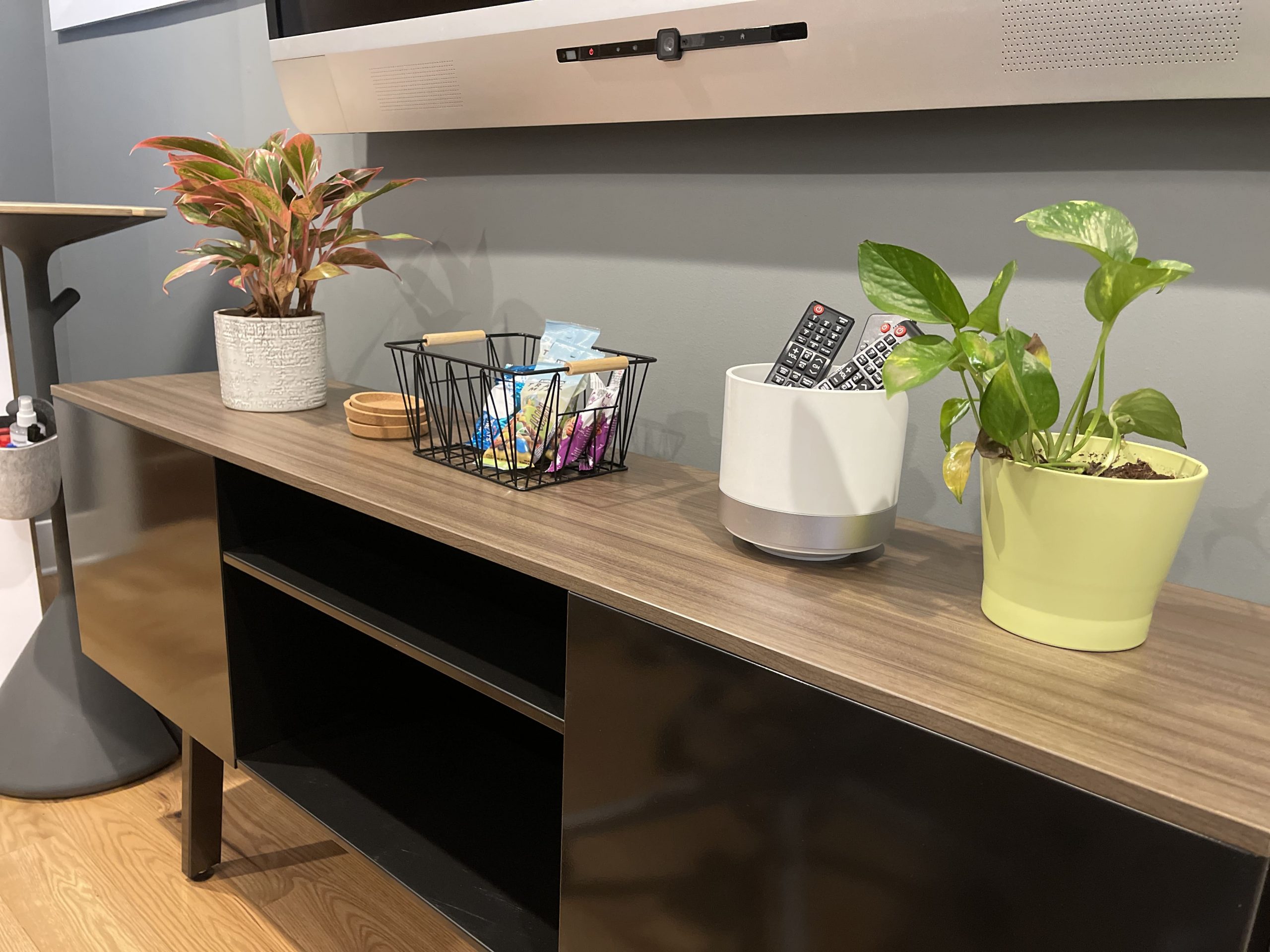
If you’re starting a business out of your house and you don’t love the idea of your home address sitting on a public filing forever, a virtual office in Memphis is the usual answer. It’s a business address plus mail handling, attached to a real building, without renting a desk you don’t need. Whether a given address works for your specific filing, license, bank or platform is a separate question — that varies, and you check it with whoever processes your paperwork.
What follows is what these services are, who they help, and what to ask before you pay anyone. It is not legal or tax advice, and nothing here tells you what any agency requires.
The real problem: your home address stops being private
Most people don’t think about this until it’s done. You register the business, put an address on the filing, and that address quietly shows up in places you didn’t plan on.
- Business registration records, which anyone can search
- The footer of your website and the bottom of every invoice
- Your Google Business Profile, if you want to show up in local search
- Vendor forms, wholesale applications, contracts, permits
Once it’s out, pulling it back is a chore. You can update a filing, but old records and data brokers don’t update with you.
For plenty of people that’s a shrug. For a therapist, a coach, someone running a business alone, or anyone whose work occasionally attracts a difficult person, it’s the whole reason they start looking. Nobody wants a client showing up at their door on a Sunday.
What a virtual office actually is — and what it isn’t
A virtual office is a business address at a real commercial location, plus some agreement about what happens to your mail. Depending on the provider, that can include scanning, forwarding, holding for pickup, package acceptance, and access to meeting rooms when you need a room.
Here’s what it is not:
It’s not a desk. You’re not buying a place to work. If you want somewhere to sit, that’s a day pass, hot desk or dedicated desk — a different product.
It’s not the same as a mailbox at a shipping store. Those are fine for what they are. The difference is that a coworking address comes with a building you can walk into and rooms you can book. Whether that matters depends on whether you ever need to meet anyone.
It’s not automatically accepted everywhere. This is the part people get burned on. Agencies, banks, licensing bodies and online platforms each set their own address policies, and those differ by what you’re applying for and where. A provider can tell you how their address and mail work. They can’t promise what a third party will decide.
Who this genuinely helps
- Solo consultants and freelancers who send invoices and don’t want their neighborhood on them
- Therapists, coaches and practitioners who see clients elsewhere — a rented room, a clinic, online — but still need an address on the paperwork
- E-commerce sellers dealing with suppliers, returns and platform listings, who’d rather not publish where they sleep
- People who just moved, or who move often, and are tired of updating an address across a dozen accounts
- Anyone with a public-facing business run from a spare bedroom — you want to look like a business because you are one
There’s also the plain appearance reason, and it’s fine to admit it. A Midtown street address reads differently to a client than a residential one. That’s not deception — your business is real.
Who doesn’t need one
Skip it if:
- You’re a W-2 remote employee. You don’t have a business to register.
- You already work out of a shop, studio or clinic with its own address.
- Your business is genuinely private — a small side thing, no website, no public listing, no filing that publishes an address.
- You mostly need somewhere to work. Then you want a desk, not an address, and our guide to hot desk vs dedicated desk vs private office covers that choice.
And if you’re only doing it to dodge a conversation with your landlord or HOA about running a business at home, an address elsewhere doesn’t change what’s happening at your house.
The questions to ask before you pay anyone
Most disappointment with mail services comes from assuming something that was never in the agreement. Ask all of these before you sign up:
Can you receive physical packages, and from which carriers? Some setups take USPS only. Some take UPS, FedEx and courier drop-offs. If you’re expecting sample boxes and returns, ask this first.
How is mail handled? Do you get notified? Scanned, held for pickup, or forwarded? How often, and is forwarding included or billed separately?
Will they sign for certified mail? Some of the most important mail a business gets requires a signature. Find out who signs and what happens next.
Is the address shared with hundreds of other filings? Not automatically a problem, but worth knowing — some banks and platforms look at address history.
What happens when you cancel? How much notice, does forwarding continue and for how long, and does the agreement auto-renew? Ask about auto-renewal specifically. The horror stories in this category are almost always about renewal terms and exit fees nobody read.
Where people commonly run into friction
Worth checking before you commit, not after:
- Banks. Address rules for opening a business account vary by institution and account type. Ask your bank what they’ll accept before you choose an address.
- Licensing and permitting bodies. Some professions and permits are handled differently than a general business registration. If you’re licensed, ask your board directly.
- Online platforms and marketplaces. Seller verification, ad accounts and Google Business Profile each have their own address rules, and they change.
The honest summary: requirements differ by jurisdiction and by what you’re applying for. Confirm with the Shelby County or Tennessee office handling your filing, with your bank, with your licensing board, or with your accountant. Anyone who tells you a virtual address will be accepted everywhere is guessing.
The virtual office Memphis advantage: an address with a real building behind it
Here’s where a Midtown coworking address beats a pure mail drop, and it’s not subtle.
Tucker Collective is at 152 North Tucker Street, Suite 101, a few minutes from Overton Square and Crosstown, with Midtown dining a short walk away.
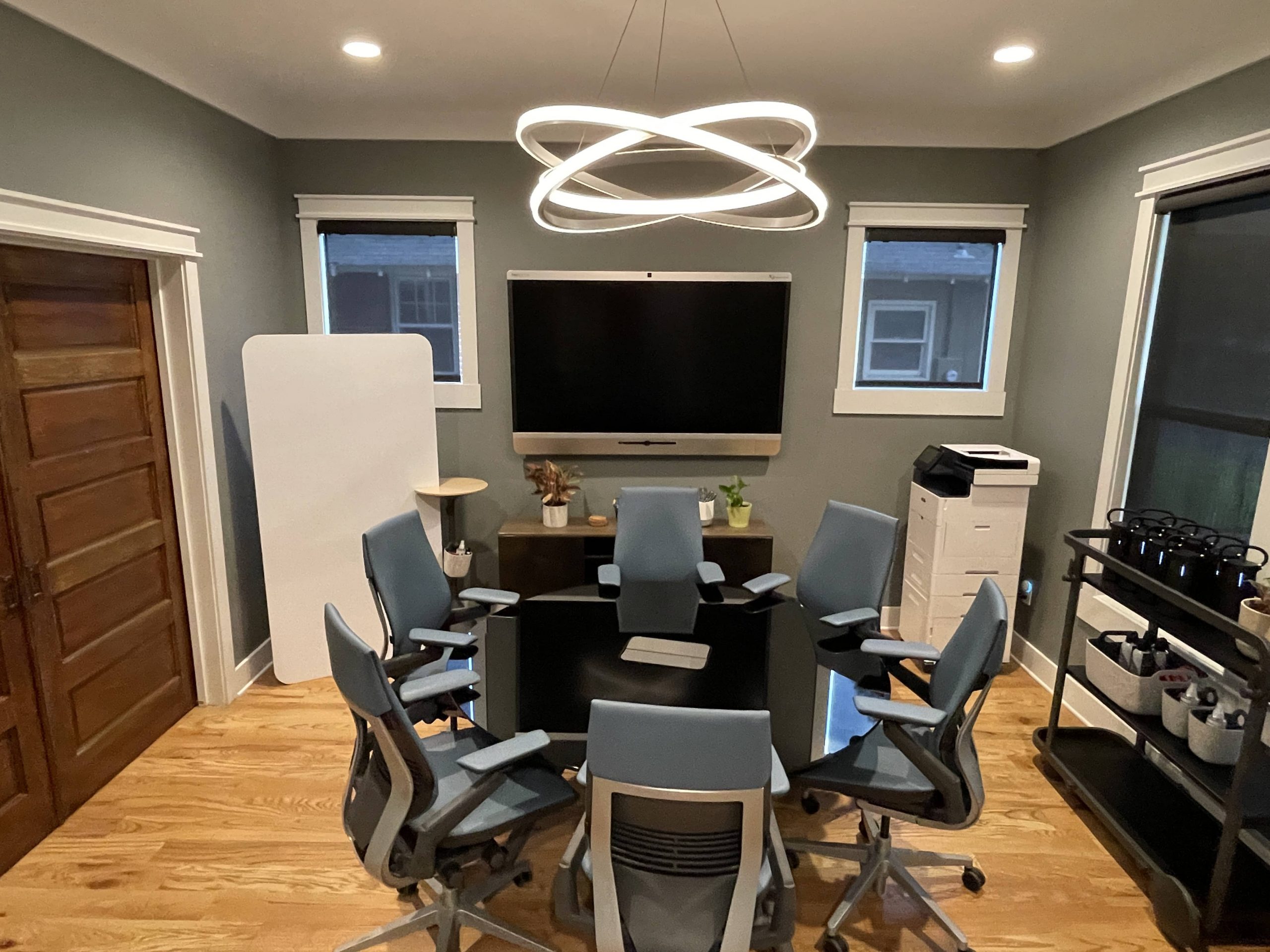
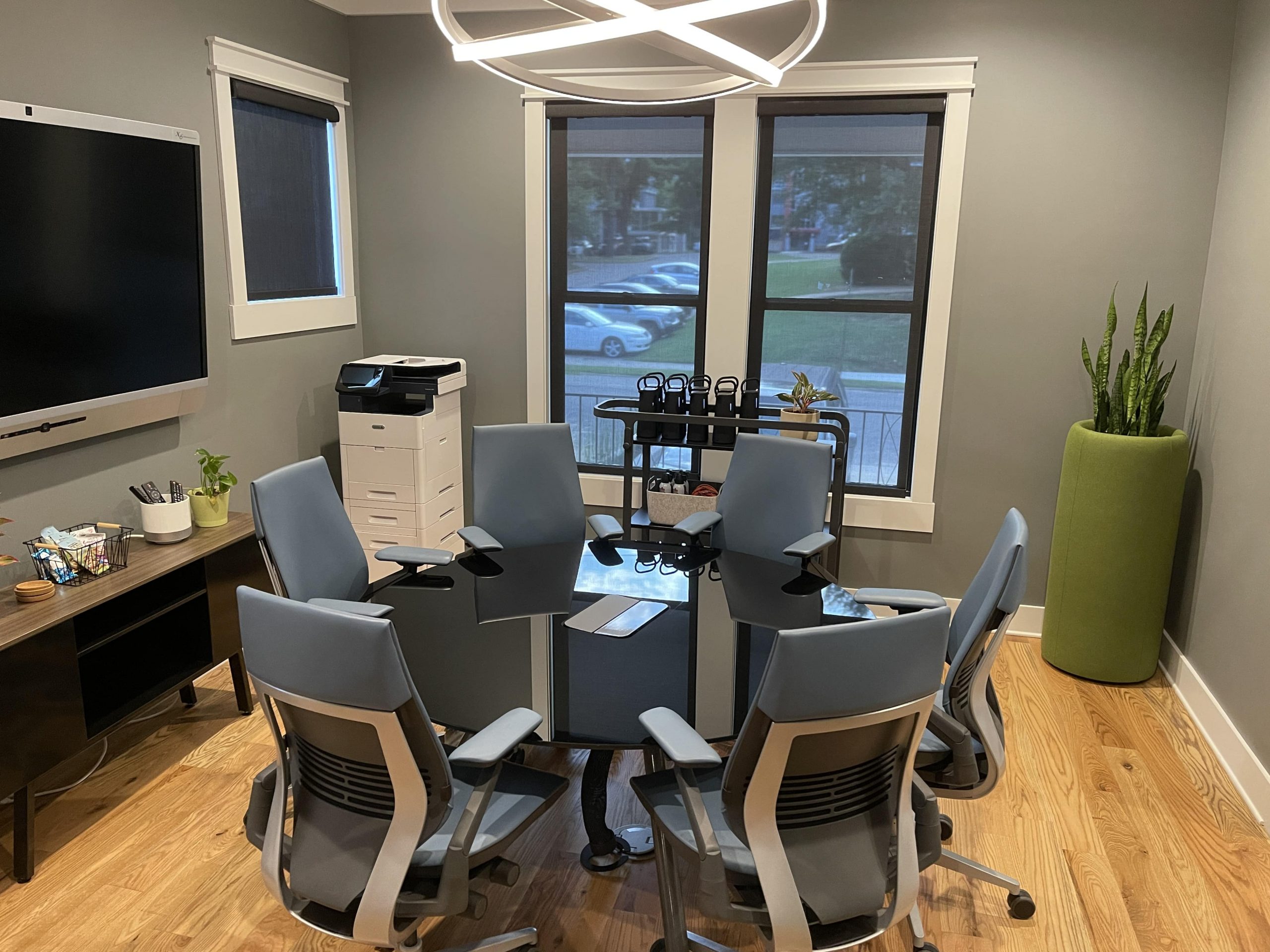
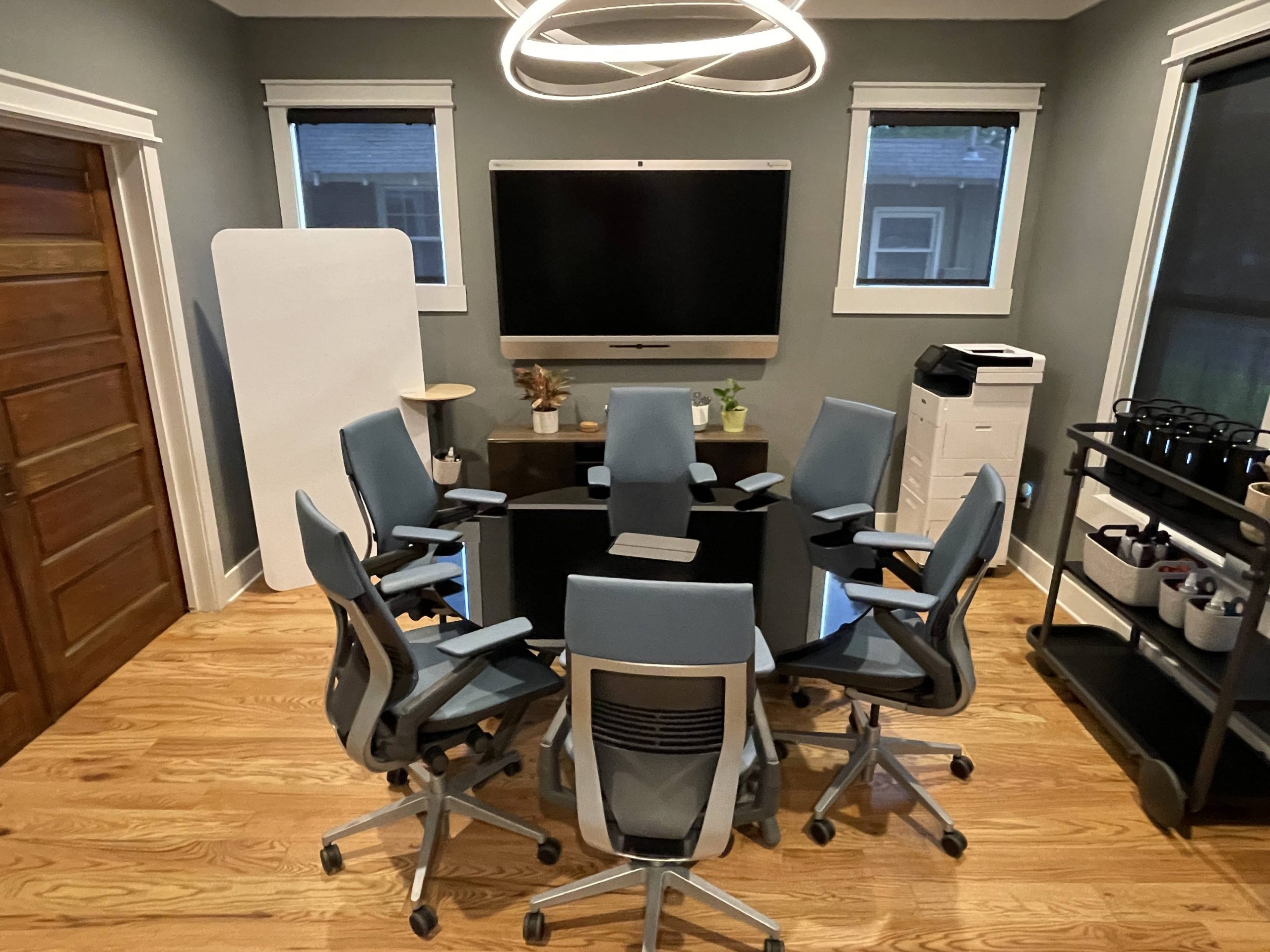
So the address on your invoice is a place you can walk into. When a client says “can we meet in person,” you book a meeting room instead of picking a coffee shop and hoping the corner table is open. There’s an on-site team Monday through Friday, 8:00 AM to 6:00 PM, and a printer when you need a contract on paper.
A mailbox at a strip mall gives you an address. This gives you an address and somewhere to stand.
How to ask Tucker Collective about it
Mail services for solo professionals are available — privacy, security and mail handling for people who need a business address more than a desk — and business mailbox options come with the small private office membership. Details are handled directly rather than off a menu, because what a consultant needs and what an e-commerce seller needs aren’t the same thing. There’s more on our virtual office page.
So ask. Take a tour, see the building, and bring the questions from the section above. Or call (901) 538-6111.
Frequently asked questions
Is a virtual office mailbox actually worth it instead of using my home address?
It depends on how public your business is. If you’re filing publicly, listing on Google and putting an address on invoices and a website, most people decide it’s worth keeping their house out of it. If you have a few clients you already know and no public footprint, you may not need one yet.
Do banks care whether your business address is a virtual office?
Some do, and their rules differ by bank and by account type. Nobody can promise you an outcome on this one. Ask the specific bank what they need for the account you’re opening before you commit to an address, and talk to your accountant if the answer is unclear.
Can I use a virtual office address for online platform and marketplace accounts?
Platforms set their own verification policies and change them, so check the current rules for the specific platform. Some sellers do this without issue and some hit verification friction. Read the policy first rather than assuming.
Can I receive physical packages at a virtual office address?
Sometimes yes, sometimes with limits, and it depends entirely on the provider and the carrier. If packages matter to your business, make it the first thing you ask about, including which carriers are accepted and how long something can sit before pickup.
I need a mailing address for Google Business Profile verification. Will this work?
Google’s requirements depend on your business type and have changed over time, so read their current rules before planning around it. What a coworking address offers that a mail drop can’t is a real, staffed location — but the decision is Google’s, not the provider’s.
Does a business address in Memphis mean I can work there too?
Not by default — a mail service and a workspace membership are two different things. If you want both, ask about combining an address with a day pass, hot desk or dedicated desk when you tour.
Not sure what you need? Come see the building. Book a tour, ask about mail services for solo professionals, and get straight answers about how mail is handled before you decide anything. Or call (901) 538-6111.
Recent Articles

Where to Work During a Move or Home Remodel
Contractors in the kitchen. Boxes in the office. Internet that won’t be installed at the new place for two weeks. A move or a…Month-to-Month vs a 6-Month Office Term: Which Should You Choose?
One of the most common frustrations in coworking threads on Reddit is contract terms: surprise auto-renewals, notice periods nobody mentioned, and people stuck paying…Planning a Training Day: A Room Logistics Checklist
A training day lives or dies on logistics. The content can be great, but if people can’t find parking, the screen won’t connect, or…Board Meeting Space in Memphis for Nonprofits and Small Organizations
Many nonprofits and small organizations don’t have a boardroom. Board meetings end up in a member’s living room, a church fellowship hall or the…
Where to Hold a Job Interview When You Don’t Have an Office
“Places to do Zoom interviews? Libraries? Coworking?” comes up often on Reddit, from both sides of the table. Candidates need a quiet place to…How to Run a Client Pitch From a Rented Meeting Room
A pitch is not the time to find out the screen doesn’t connect or the room is too small. If you’re pitching from a…
Considering Coworking in the Memphis Area?
Come experience our advanced tech, amenities, and distraction-free space equipped for productivity.
schedule tour
Take Your Meeting To The Next Level
At Tucker Collective, we’re on a mission to bring meeting and workspaces to the 21st century.I used to have a big problem finding suitable space in the midtown and downtown area to have discreet meetings with clients. I recently discovered the Tucker Collective, and it will now be my office away from my office for which to hold a meeting. Don't go looking for a coffee shop for your next meeting, check out the Tucker Collective.Joseph Crone, Attorney

I used to have a big problem finding suitable space in the midtown and downtown area to have discreet meetings with clients. I recently discovered the Tucker Collective, and it will now be my office away from my office for which to hold a meeting. Don't go looking for a coffee shop for your next meeting, check out the Tucker Collective.Joseph Crone, Attorney
I used to have a big problem finding suitable space in the midtown and downtown area to have discreet meetings with clients. I recently discovered the Tucker Collective, and it will now be my office away from my office for which to hold a meeting. Don't go looking for a coffee shop for your next meeting, check out the Tucker Collective.Joseph Crone, Attorney
I used to have a big problem finding suitable space in the midtown and downtown area to have discreet meetings with clients. I recently discovered the Tucker Collective, and it will now be my office away from my office for which to hold a meeting. Don't go looking for a coffee shop for your next meeting, check out the Tucker Collective.Joseph Crone, Attorney