(901) 538-6111

Coworking vs. the Coffee Shop: An Honest Comparison
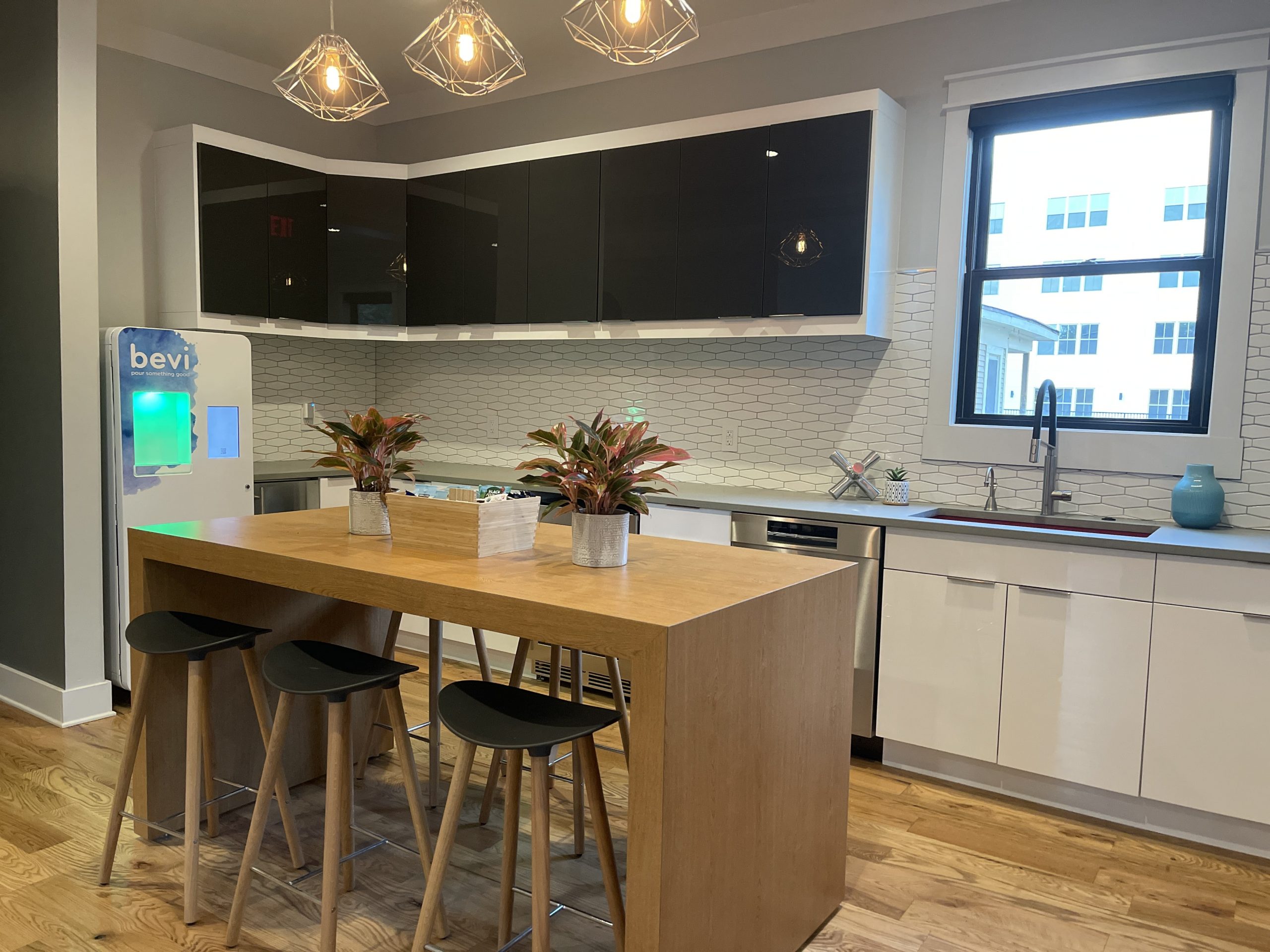
The coworking vs coffee shop question has a boring answer: it depends on the day. For two hours of heads-down work with headphones on, the coffee shop usually wins — cheap, close, good energy. For a day with three calls, a deadline and a client who wants to meet, it stops working around hour two.
Most people who work remotely in Memphis end up doing both. Here’s the honest version of each side, including where coworking is the wrong call.
The case for the coffee shop is a real case
Let’s not pretend otherwise. Coffee shops are good, and anyone who tells you they aren’t is selling something.
- It’s cheap. A coffee and a pastry, and you’ve bought a desk with better lighting than your kitchen table.
- There’s no commitment. You don’t sign anything. You don’t cancel anything. If you hate it, you leave.
- The background energy works. Ambient noise and other humans nearby is genuinely productive for a lot of people. Empty-house silence is what kills the focus, not the noise.
- You’re supporting a local spot. Memphis has a good independent coffee scene across Midtown, Cooper-Young and Crosstown, and those places are part of what makes the neighborhoods feel like neighborhoods.
- It gets you out of the house, which, if you’ve been home since Tuesday and haven’t spoken to anyone, is the entire point.
For a focused morning with no calls, a coffee shop is often just the better choice. Say that out loud before you spend money on anything else.
Where it breaks down
The failure points are specific, and if you work remotely you know all of them.
The 11am seat lottery. You show up at 11:07 and every table with an outlet is taken by someone who arrived at nine and isn’t leaving. Now you’re choosing between the wobbly two-top by the door and going home.
The one outlet, behind a plant. Your laptop is at 34%. There’s a power strip you can see but can’t reach.
Public WiFi and client files. Usually fine. But if you’re handling contracts or anything with someone else’s personal information in it, an open network in a busy room is a risk you took without really deciding to take it.
Taking a call. The big one. The grinder fires every four minutes, an order gets called, and you’re saying “sorry, could you repeat that” for the fourth time. Run a discovery call like that and listen to how confident the client sounds afterward.
The guilt spiral. You bought a $4 coffee at 9:30. It’s 12:15, the line is out the door, and you’ve now done the “should I buy a muffin to justify this table” math more times than you did actual work.
Nowhere to leave a setup. A 13-inch laptop is not a workstation, and you can’t leave your own monitor on a café table overnight. Pretending otherwise costs you hours a week.
Nowhere to put a confidential conversation. A performance review, a salary negotiation, a client’s bad news. None of that is fine at a table with strangers eighteen inches away.
Where coworking actually wins
The wins aren’t exotic. They’re the removal of every item above.
- A seat that’s yours. No lottery, no circling. You know where you’re sitting before you leave the house.
- Calls you can actually take. Phone booths and small huddle spaces exist for exactly this, and you stop apologizing for your background noise.
- A door when you need one. For client meetings, interviews or anything private, you can book a real room instead of improvising. (More on that in Meeting Room Rental in Memphis: Book by the Hour.)
- Printing. Color and black-and-white, on site. Trivial until you need eight copies of something at 8:40 in the morning.
- Business-grade WiFi, fast and secure, which matters more the more sensitive your work is.
- A mailing address, if you need one. Solo professionals who don’t want their home address on a website have options here.
- People who recognize you. Not networking. Just somebody saying your name before 10am, which matters more than most remote workers expect.
- The stuff you stop thinking about. Coffee, tea, sparkling water, snacks, quiet areas, keyless (Kisi) entry, a team on site during the week.
Where coworking loses
If this section were missing, you’d be right not to trust the rest of the post.
It costs money. A coffee shop costs the price of a coffee. Coworking is a real line item. As a category it sits between “free” and “signing a lease,” and that middle is only worth it if you use it.
It’s a commitment. Even a flexible plan is something you pay for whether or not you show up. If you’re someone who buys a gym membership and goes twice, know that about yourself.
You have to get there. Dressed, driving, parking, walking in — call it fifteen to thirty minutes on both ends that the kitchen table doesn’t charge you.
If you only leave the house six hours a week, it’s probably not worth it. Genuinely. Buy the coffee. Sit in the corner. Come back when your work changes.
It’s not 24/7 everywhere. Tucker Collective is staffed Monday through Friday, 8:00 AM to 6:00 PM. If you do your best work at 11pm, that’s a real mismatch worth knowing before you tour anything.
Coworking vs coffee shop: pick this if…
Pick the coffee shop if:
- You need two or three focused hours, not a full day
- You have no calls, or only calls you could take from a car
- Your work isn’t confidential and doesn’t involve client files
- You just need a change of scenery
- Money is tight right now, which is a completely legitimate reason
Pick coworking if:
- You’re on video calls most days
- You need to meet clients somewhere that isn’t your living room
- You need a desk you can leave set up, printing or a mailing address
- Your home productivity falls off a cliff after lunch
- You’re doing this five days a week and the seat lottery has started to affect your mood
The answer most people actually land on
Both. Not as a compromise — as a system.
Coffee shop on the light days: writing, reading, catching up, the stuff that benefits from ambient noise and a change of scene. Workspace on the days with calls, deadlines, client meetings or anything you don’t want overheard.
Day passes make that easy to test. Try it on a day you already know will be busy, because that’s where the difference shows up hardest. If it changes nothing, you’ve learned that cheaply.
Working remotely in Memphis, specifically
Midtown makes this easy in a way not every city does. Overton Square, Cooper-Young and Crosstown are minutes from each other, so the coffee-shop-for-a-few-hours habit is a real option most days. Tucker Collective sits at 152 North Tucker Street, Suite 101, near Overton Square and Crosstown — close enough to Downtown, the Medical District and Cooper-Young that “I’ll come to you” is easy to say to a client. Parking is available nearby in Midtown, with the specifics in your confirmation email.
So you don’t really have to choose a side. You can have your morning spot and a place to take the 2 o’clock call, three minutes apart.
Frequently asked questions
What’s the honest take on coworking versus working from cafés full time?
Cafés full time works until your job involves calls, confidential material or an eight-hour day. The people who sustain it have flexible hours, a laptop-only workflow and a high tolerance for the seat lottery. Everyone else eventually gets tired of the 11am scramble and pays for a chair.
Is it weird to use a coworking space instead of working from home?
It’s extremely common, and plenty of people don’t advertise it. Home has a specific failure mode: the laundry, the fridge, the silence, the fact that you haven’t left since Monday. Paying for somewhere to go isn’t an admission of anything. It’s buying a boundary between work and everything else.
Do most people actually pay for coworking, or just use cafés?
Plenty of people do both, deliberately. The usual pattern is cafés for the cheap, low-stakes hours and a workspace for the days with meetings and deadlines. Trying a day pass first is the low-risk way to find your own split.
As a solo founder, where should I actually sit and build?
Early on, wherever is cheapest — home and cafés, no argument. The moment you’re taking investor or customer calls, hiring, or handling anything sensitive, it flips, because those conversations go badly in public. A lot of founders land on home for deep work and a booked room for anything involving another person.
What should I look for if I want somewhere with reliable WiFi and a place to meet?
Ask two questions on the tour: what happens when you need to take a call, and how you book a room when a client wants to meet next week. Business-grade WiFi, phone booths and hourly meeting rooms cover most of what people are really asking. Then sit in the space for an hour before deciding.
Does a day pass make sense before committing to anything?
That’s what it’s for. Come on a day you already know is going to be busy, work a normal day, and see whether it changes the shape of the day. No tour is as informative as actually working there.
Try it on a busy day, not a quiet one
The useful experiment is a single day pass on a day with real calls on it. That’s the day that tells you the truth. Ask about a day pass or schedule a tour whenever it suits you, or call (901) 538-6111 if you’d rather talk it through with someone.
Recent Articles

Where to Work During a Move or Home Remodel
Contractors in the kitchen. Boxes in the office. Internet that won’t be installed at the new place for two weeks. A move or a…Month-to-Month vs a 6-Month Office Term: Which Should You Choose?
One of the most common frustrations in coworking threads on Reddit is contract terms: surprise auto-renewals, notice periods nobody mentioned, and people stuck paying…Planning a Training Day: A Room Logistics Checklist
A training day lives or dies on logistics. The content can be great, but if people can’t find parking, the screen won’t connect, or…Board Meeting Space in Memphis for Nonprofits and Small Organizations
Many nonprofits and small organizations don’t have a boardroom. Board meetings end up in a member’s living room, a church fellowship hall or the…
Where to Hold a Job Interview When You Don’t Have an Office
“Places to do Zoom interviews? Libraries? Coworking?” comes up often on Reddit, from both sides of the table. Candidates need a quiet place to…How to Run a Client Pitch From a Rented Meeting Room
A pitch is not the time to find out the screen doesn’t connect or the room is too small. If you’re pitching from a…
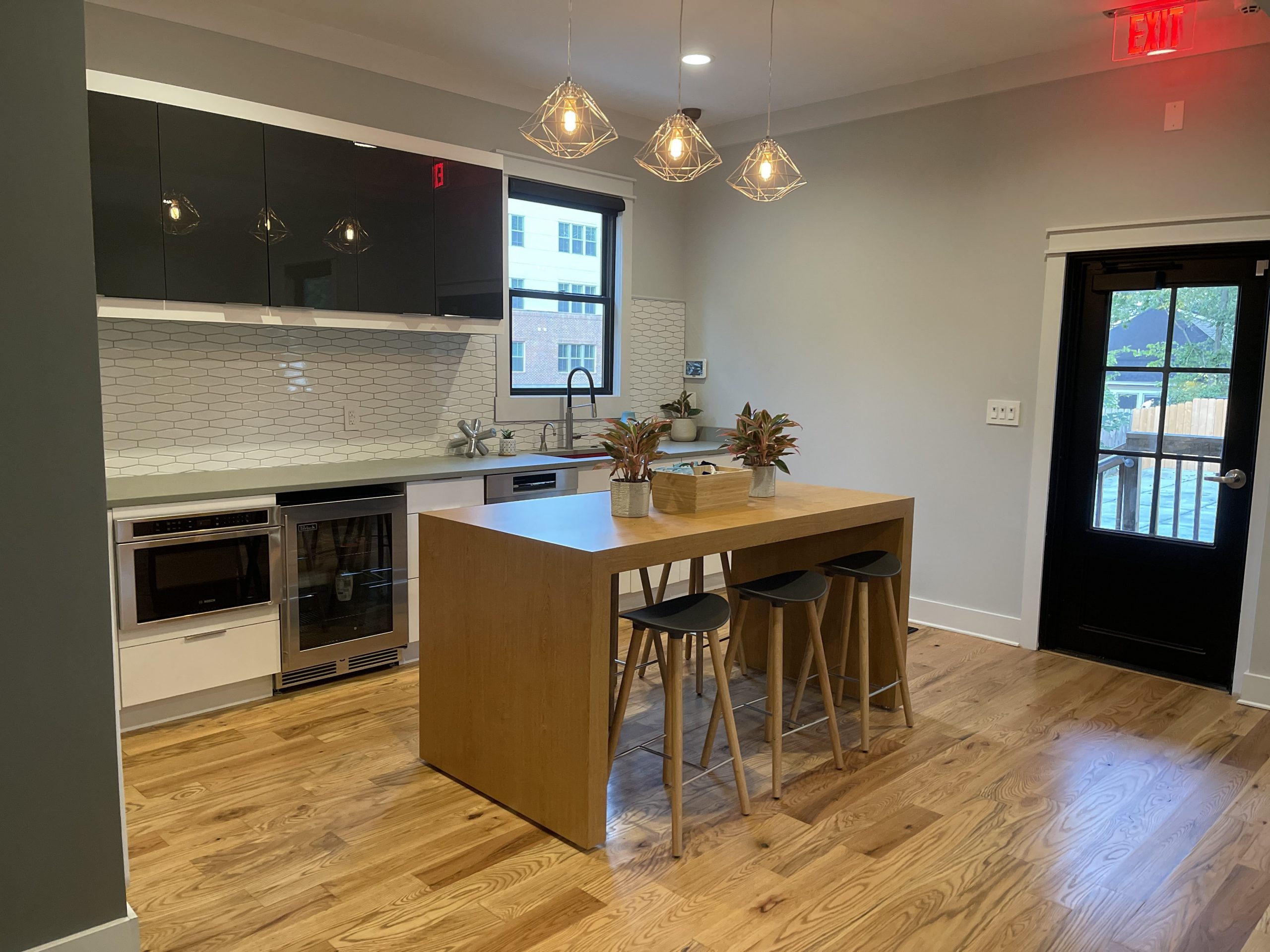
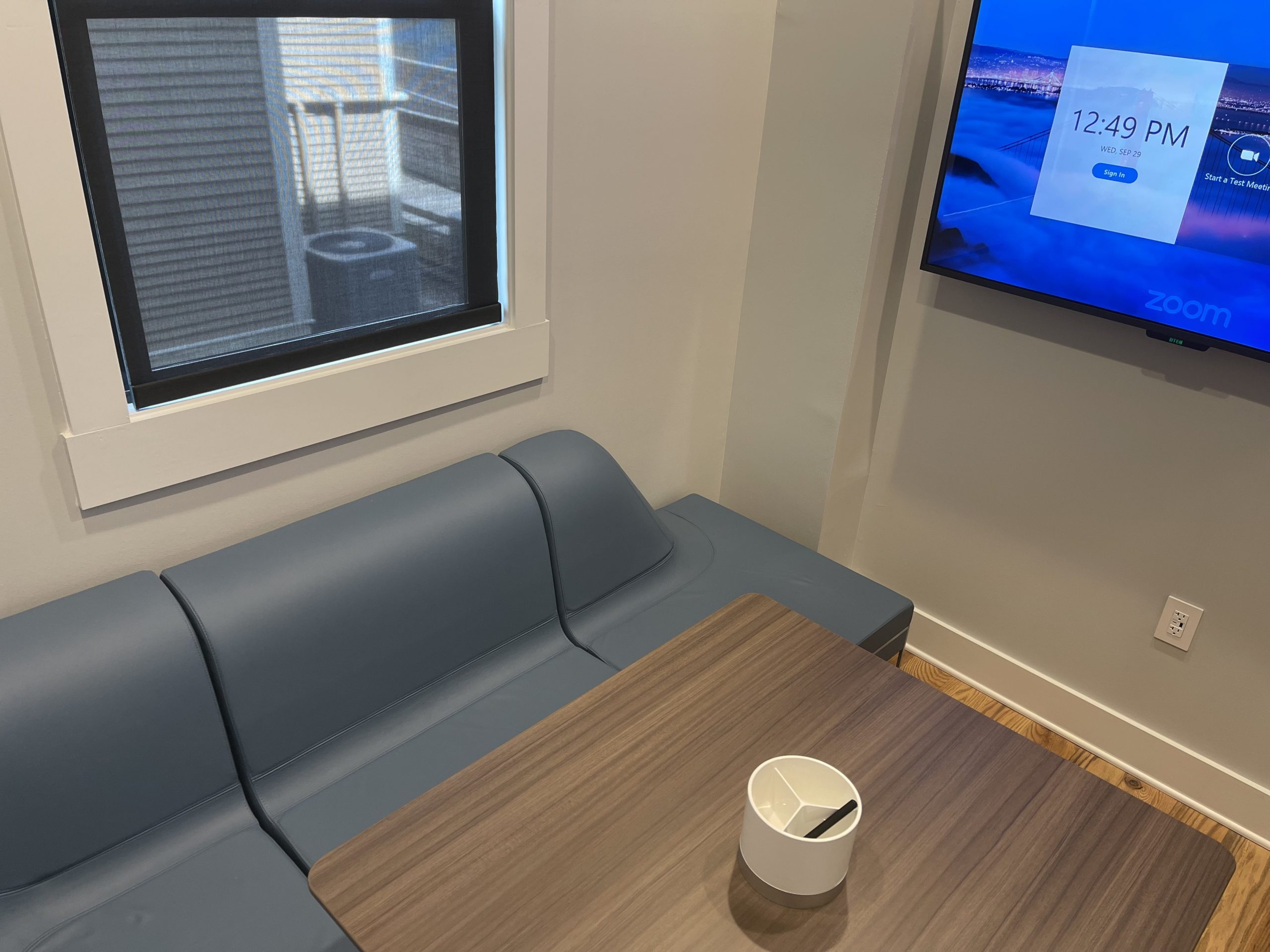
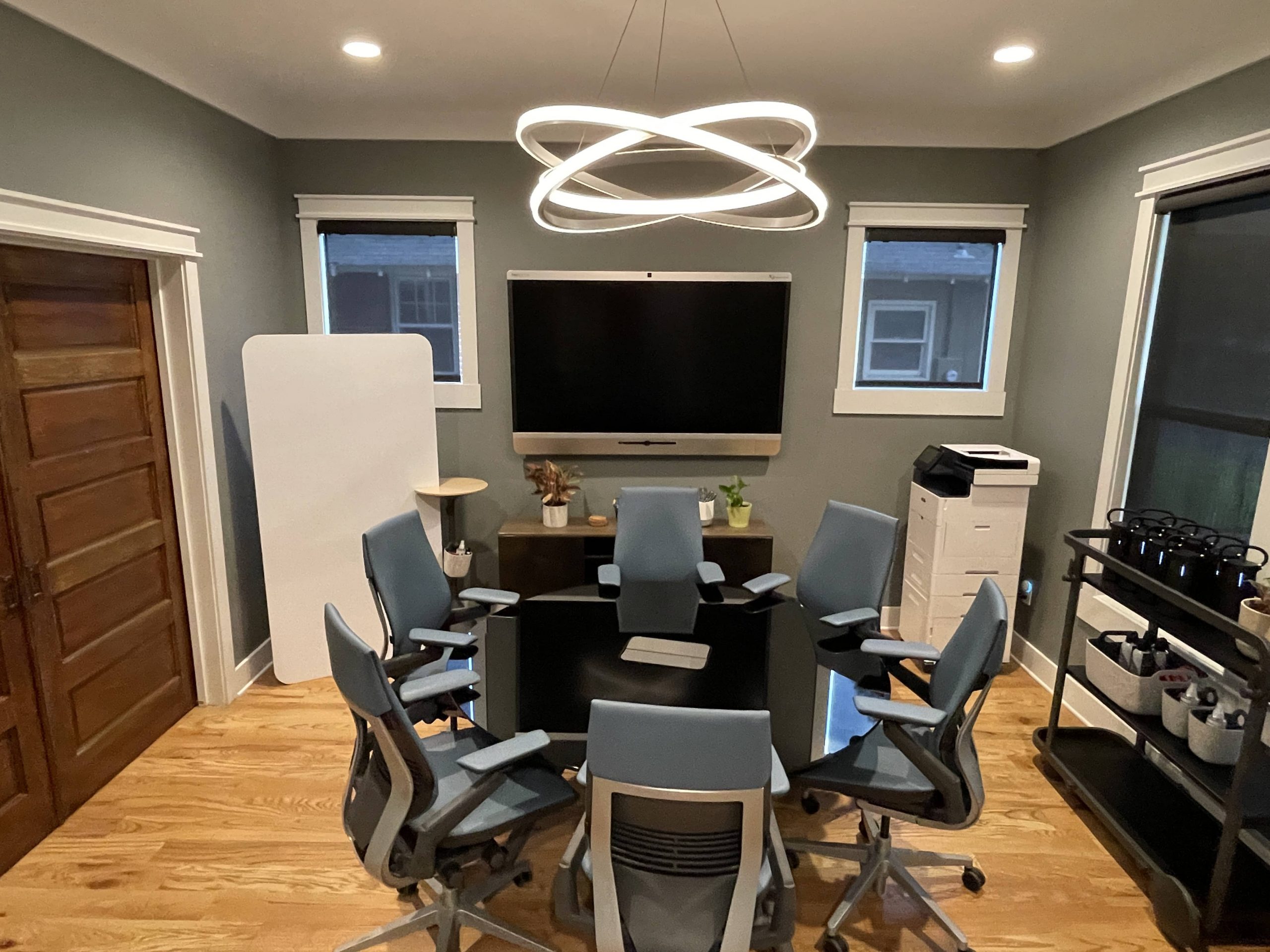
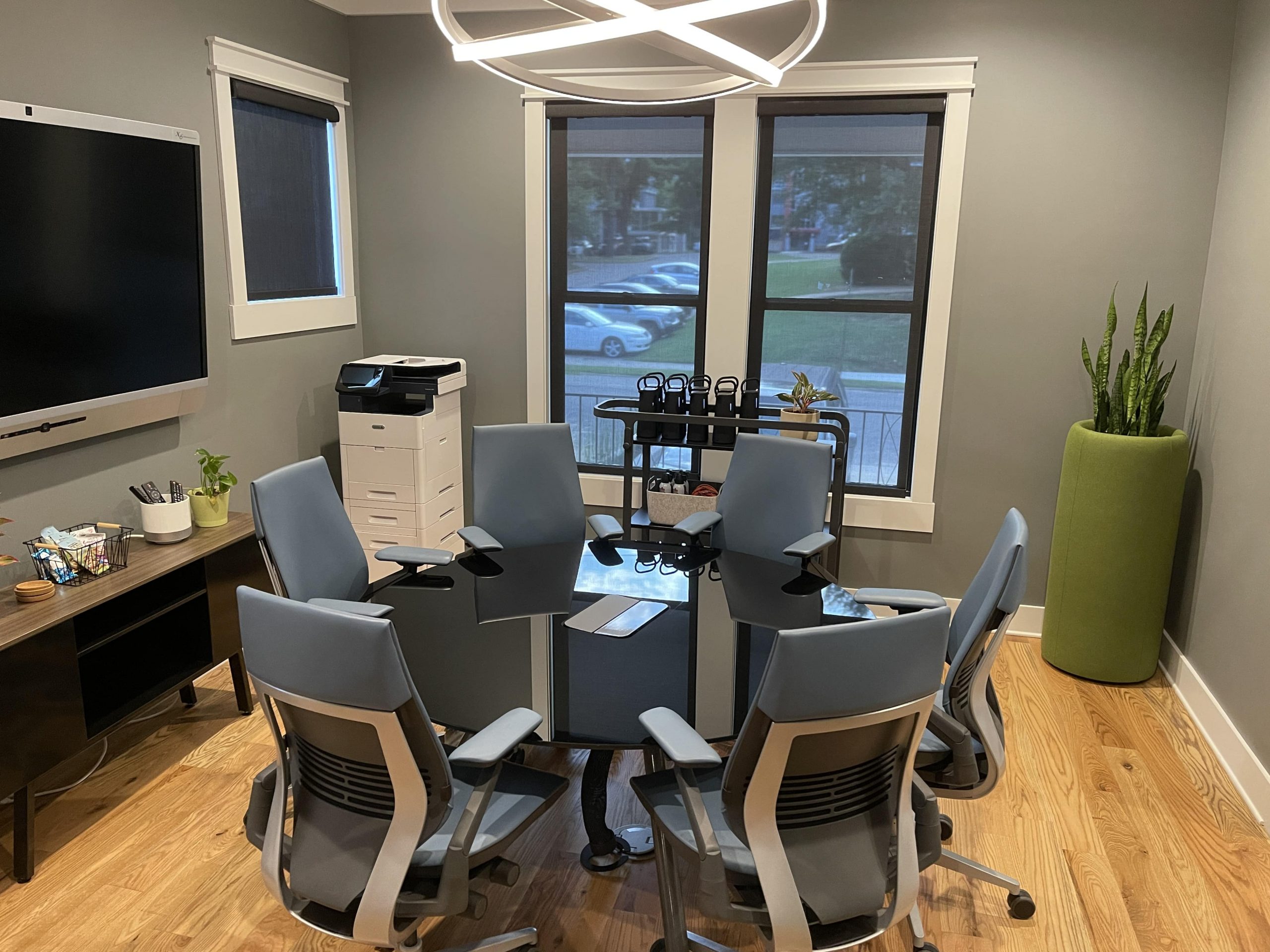
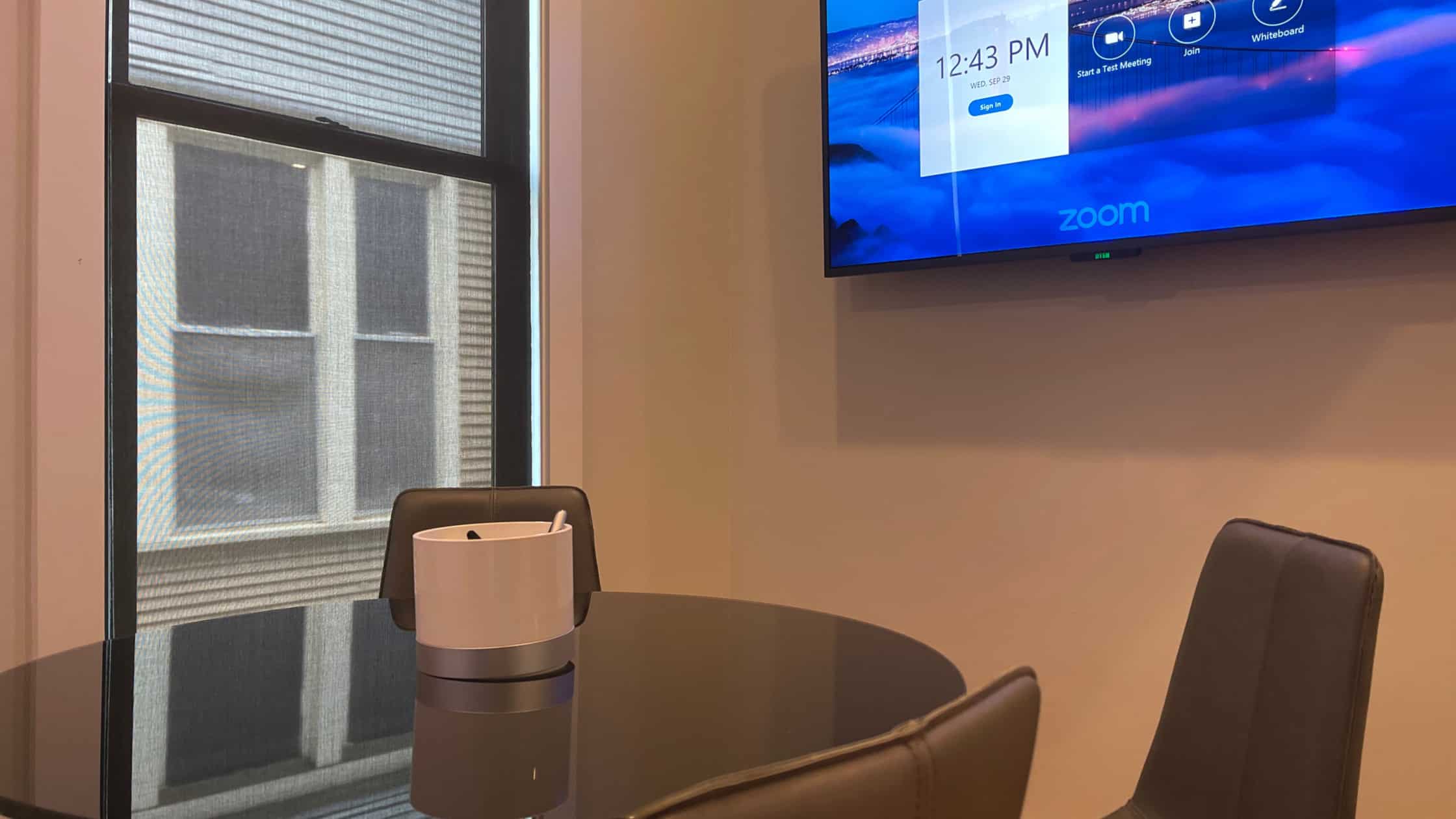
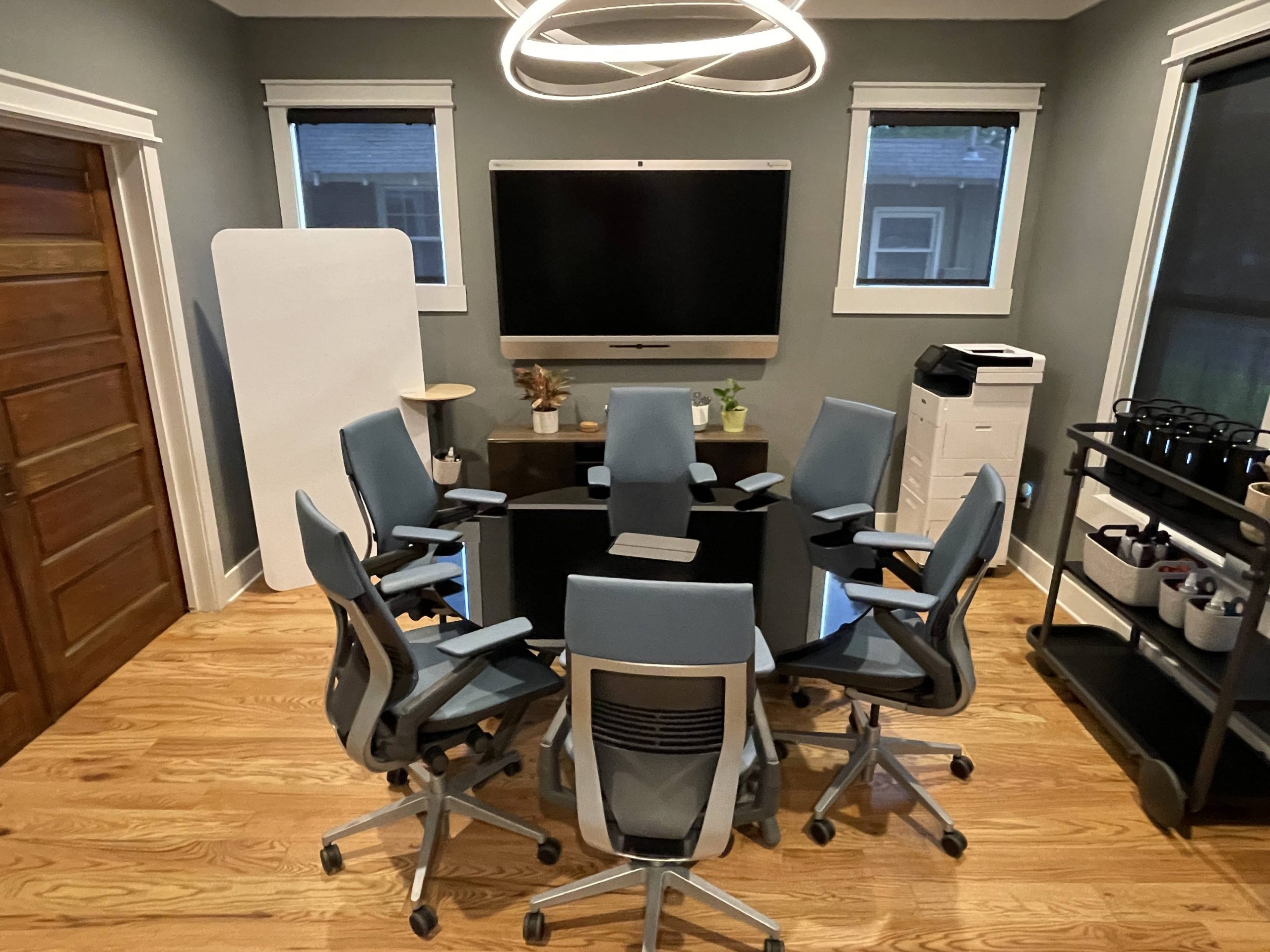
Considering Coworking in the Memphis Area?
Come experience our advanced tech, amenities, and distraction-free space equipped for productivity.
schedule tour
Take Your Meeting To The Next Level
At Tucker Collective, we’re on a mission to bring meeting and workspaces to the 21st century.I used to have a big problem finding suitable space in the midtown and downtown area to have discreet meetings with clients. I recently discovered the Tucker Collective, and it will now be my office away from my office for which to hold a meeting. Don't go looking for a coffee shop for your next meeting, check out the Tucker Collective.Joseph Crone, Attorney

I used to have a big problem finding suitable space in the midtown and downtown area to have discreet meetings with clients. I recently discovered the Tucker Collective, and it will now be my office away from my office for which to hold a meeting. Don't go looking for a coffee shop for your next meeting, check out the Tucker Collective.Joseph Crone, Attorney
I used to have a big problem finding suitable space in the midtown and downtown area to have discreet meetings with clients. I recently discovered the Tucker Collective, and it will now be my office away from my office for which to hold a meeting. Don't go looking for a coffee shop for your next meeting, check out the Tucker Collective.Joseph Crone, Attorney
I used to have a big problem finding suitable space in the midtown and downtown area to have discreet meetings with clients. I recently discovered the Tucker Collective, and it will now be my office away from my office for which to hold a meeting. Don't go looking for a coffee shop for your next meeting, check out the Tucker Collective.Joseph Crone, Attorney